
Silk is a beautiful fabric for summer. Indeed, it feels very soft on the skin. Therefore, making custom accessories is a great idea. Instead of buying expensive items, craft silk scarf painted bandanas at home. Without a doubt, this is a very fun project. Furthermore, you can mix colors to match your style.
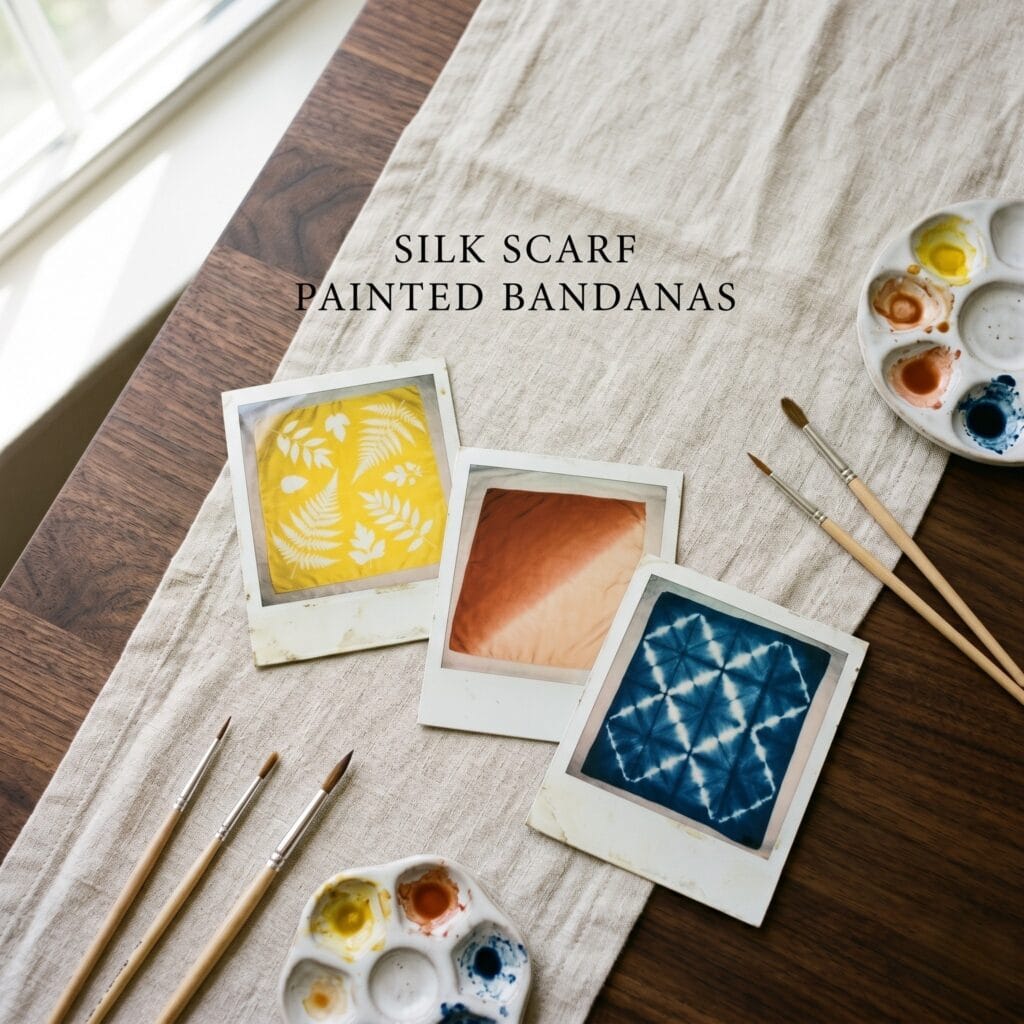
Making these items is very simple. For example, you can use basic brush strokes. Alternatively, you can try tie-dye methods. Because these projects need few supplies, you will easily enjoy making these elegant pieces.
This post contains affiliate links. As an Amazon Associate, I earn from qualifying purchases. If you buy through these links, I may earn a commission at no additional cost to you.
Essential Materials for Silk Scarf Painted Bandanas
A few foundational materials are used throughout most projects in this guide, marked with a (used throughout) tag below.
🎨 Fabric & Dyes
Pure silk and liquid dye form the base of nearly every technique here, while one precision design calls for silk paint instead.
- Pure White Silk Fabric Squares (used throughout) — The base canvas for every bandana in this guide. |
Check Silk Fabric Squares on Amazon - Liquid Silk Dyes, Assorted Colors (used throughout) — Used for wet techniques like watercolor, sun-printing, salt texture, ice dyeing, shibori, ombre, and splatter. | Check Liquid Silk Dyes on Amazon
- Fine-Point Silk Paint — A thicker, more precise formula for detailed direct painting on dry fabric. | Check Fine-Point Silk Paint on Amazon
- Water-Based Silk Resist Paste — Draws clean lines that wash out white after dyeing. | Check Silk Resist Paste on Amazon
🖌️ Application Tools
Soft brushes handle most wet techniques, while a couple of specialty tools give you fine detail and controlled splatter.
- Soft Watercolor Brushes (used throughout) — Applies and blends wet dye smoothly. | Check Watercolor Brushes on Amazon
- Fine Detail Brush — Fills small, precise shapes like flower petals. | Check Fine Detail Brushes on Amazon
- Stiff Bristle Brush — Flicks dye cleanly for the splatter technique. | Check Stiff Bristle Brushes on Amazon
- Glass or Plastic Dropper — Controls exactly where wet-on-wet dye lands. | Check Droppers on Amazon
- Mixing Palette (used throughout) — Dilutes dye or paint with water before applying. | Check Mixing Palettes on Amazon
🧪 Texture & Resist Supplies
A few specialty items create the raised textures, resist patterns, and stamped shapes used in specific designs.
- Coarse Salt (Kosher or Sea Salt) — Pulls dye into star-like texture patterns. | Check Coarse Salt on Amazon
- Rubber Bands — Binds folded silk tightly for shibori resist patterns. | Check Rubber Bands on Amazon
- Shallow Plastic or Metal Tray — Holds ice and dye for ice dyeing, and doubles as a dip container for ombre fades. |
Check Shallow Trays on Amazon
🌿 Natural & Specialty Items
Natural silhouette materials create unique sun-printed designs.
- Fresh Leaves or Flowers — Creates natural silhouette prints for sun-printing. | Check Pressed Flowers on Amazon
🧼 Prep & Household Essentials
A couple of basics you likely already have at home prep your silk before any painting begins.
- Mild Soap (Household) — Gently pre-washes silk fabric before painting. | Check Mild Silk Soap on Amazon
- Iron (Household) — Sets fabric fibers before painting; always supervise, see our safety note below. | Check Craft Irons on Amazon
- Clean Kitchen Sponge (Household) — Cut into shapes for the sponge-stamping technique. | Check Craft Sponges on Amazon
Before you begin: If you want to expand your collection with more beautiful projects, don’t miss our comprehensive guide on handmade pet crafts to discover classic custom styles that look amazing in any home.
Preparing & Finishing Your Silk Scarf Painted Bandanas
Every technique in this guide starts and ends with the same core process. Crafting silk items is very fun. However, fabric care must come first. Therefore, follow these easy steps before and after any of the ten techniques below:
- To begin, wash your silk fabric gently. Specifically, use mild soap.
- Second, iron the fabric while it is still damp.
- Next, mix your silk dye or paint with water as needed for your chosen technique.
- Now, apply the colors slowly using a soft brush.
- Afterward, let the fabric dry completely in the shade.
Pro-Tip: If you love working with high-end textures on your workbench, you can easily add small leather details to your final piece. Discover creative inspiration in our popular guide on leather scrap DIY ideas to upgrade your custom accessories beautifully.
10 Creative Ideas for Your Fabric
1. Watercolor Wash: Silk Scarf Painted Bandanas
Supplies Needed: Pure White Silk Fabric Square, Liquid Silk Dyes, Glass or Plastic Dropper.
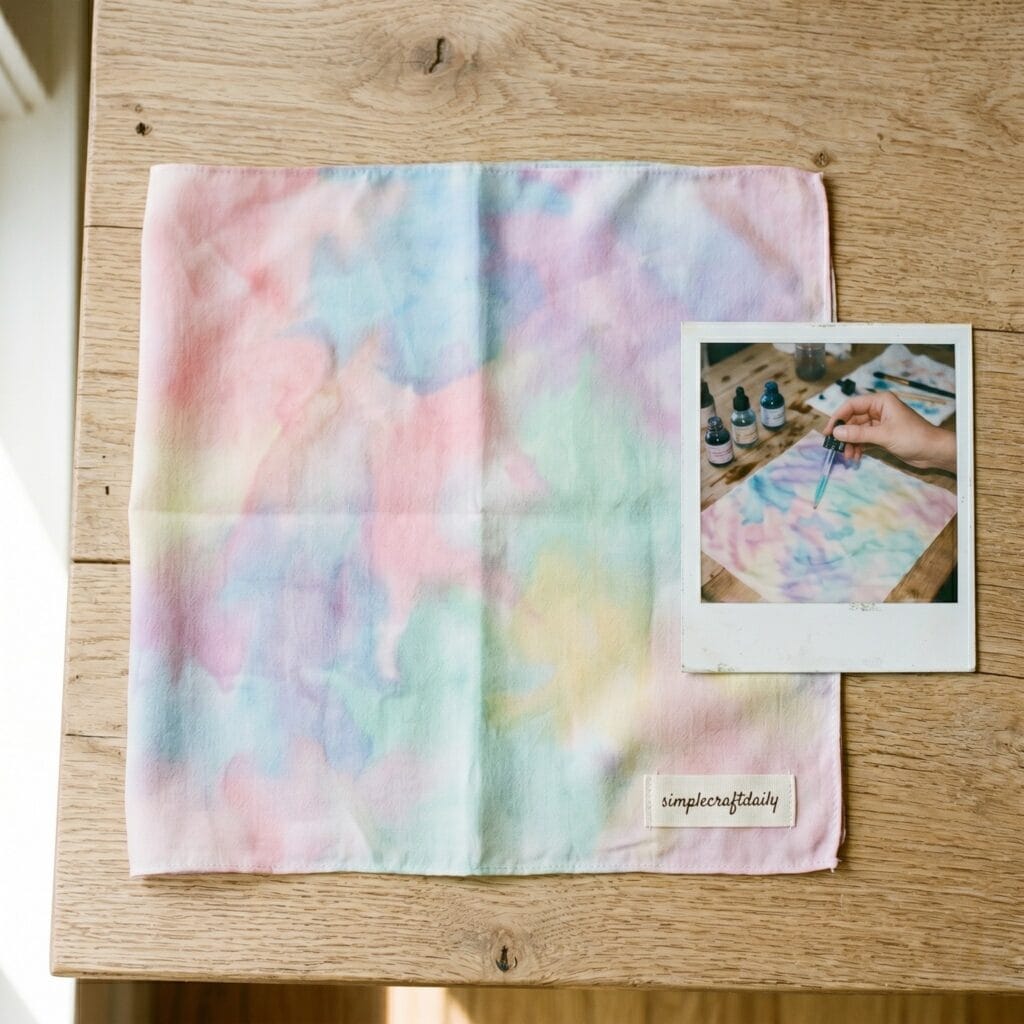
This method creates soft color blends. First, wet the silk fabric with clean water. Next, drop liquid dyes onto the wet surface. As a result, the colors flow and mix beautifully.
2. Sun-Printed Silk Bandanas
Supplies Needed: Pure White Silk Fabric Square, Liquid Silk Dyes, Soft Watercolor Brush, Fresh Leaves or Flowers.
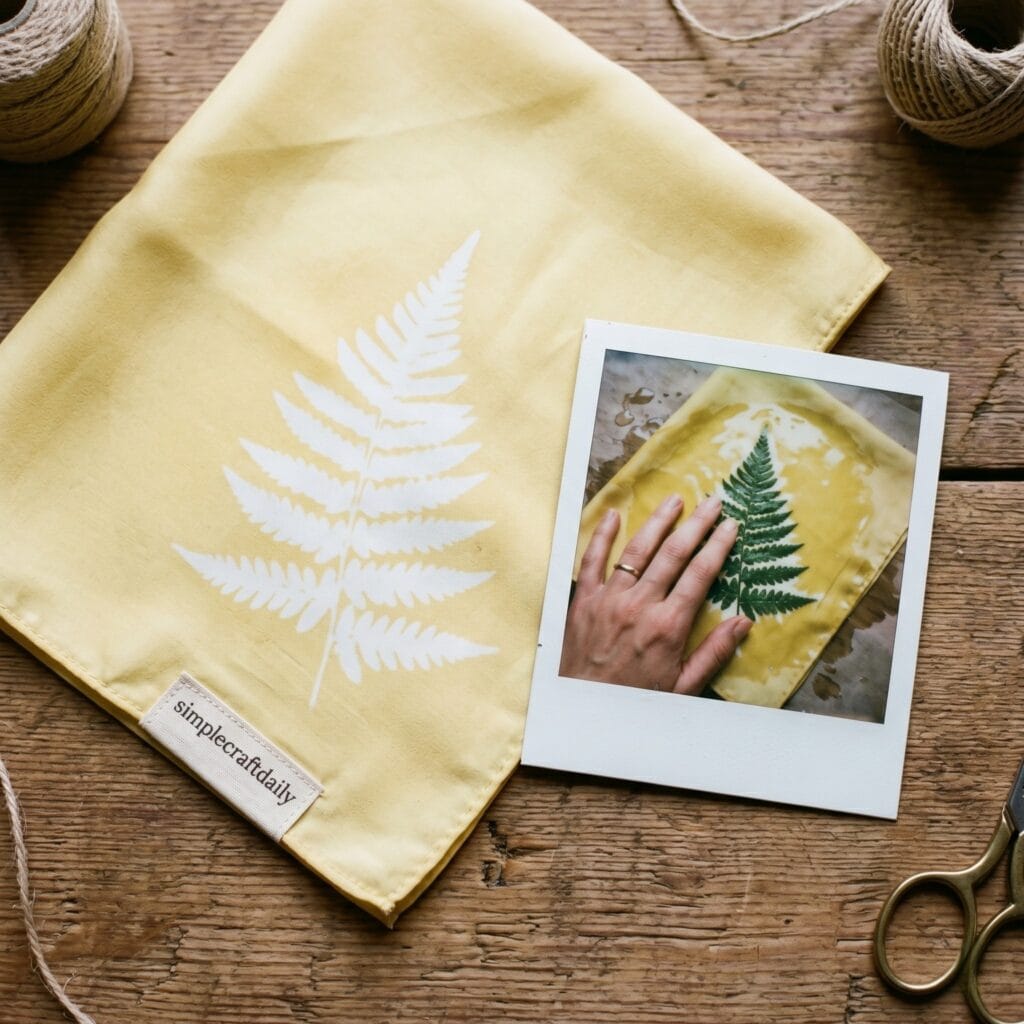
Sun printing is very magical. Simply paint the silk in a solid color. Then, place real leaves or flowers on the wet dye. Consequently, the sun fades the uncovered areas naturally.
3. Salt Texture Silk Patterns
Supplies Needed: Pure White Silk Fabric Square, Liquid Silk Dyes, Soft Watercolor Brush, Coarse Salt.
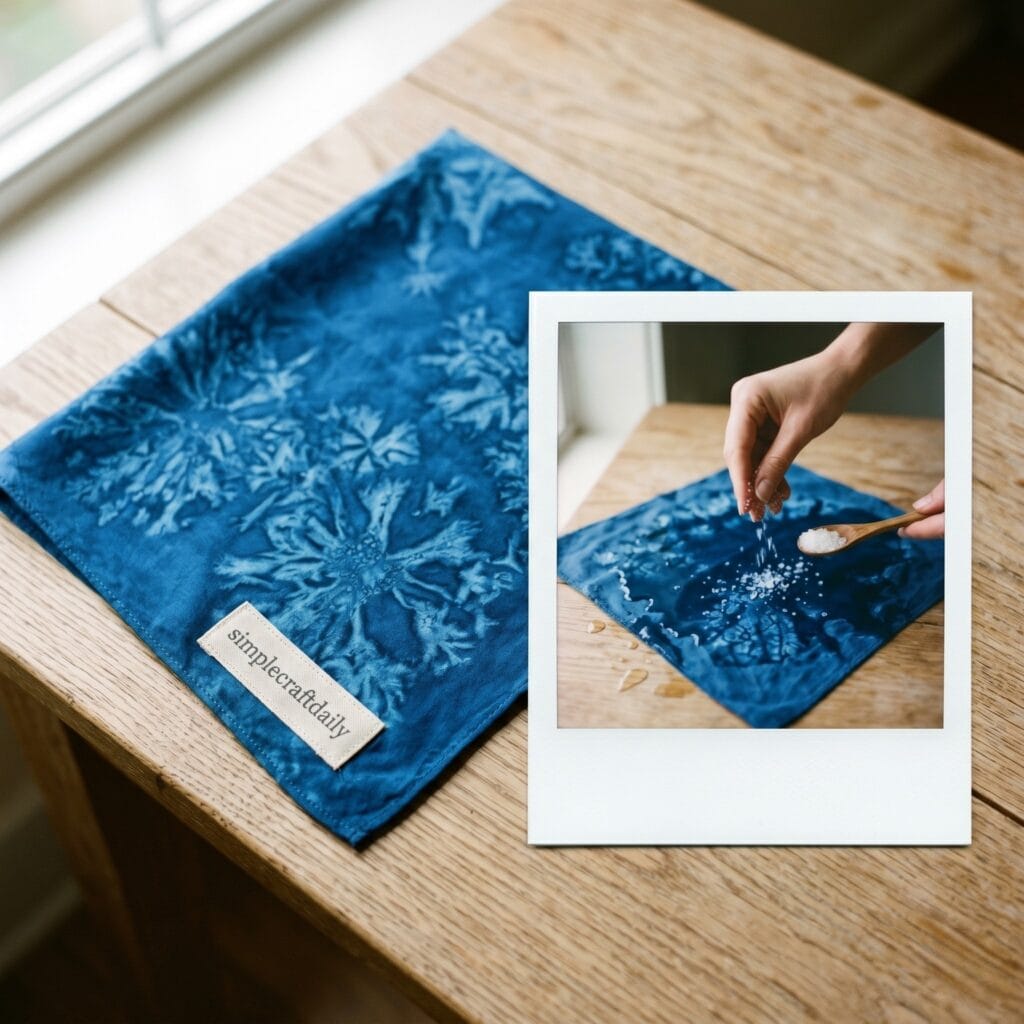
Table salt creates cool star patterns. First, paint your silk with bright colors. While the paint is wet, sprinkle coarse salt over it. Indeed, the salt pulls the dye to create amazing textures.
4. Ice Dyeing Silk Techniques
Supplies Needed: Pure White Silk Fabric Square, Liquid Silk Dyes, Shallow Tray, Ice Cubes (Household).
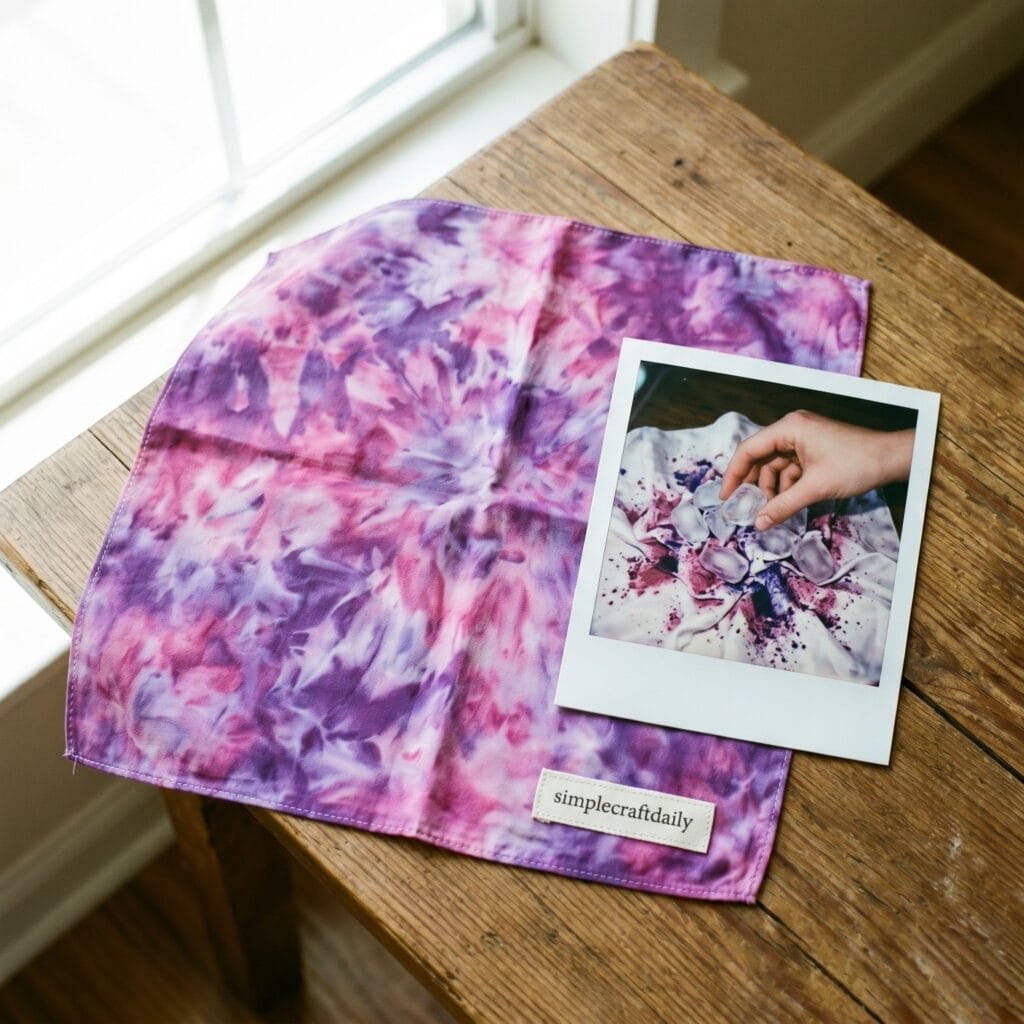
Ice dyeing gives a random, organic look. First, crumple your silk fabric in a tray. Next, cover it with ice cubes and liquid dye. Ultimately, the melting ice pushes the dye into the fabric.
5. Shibori Folding: Silk Scarf Painted Bandanas
Supplies Needed: Pure White Silk Fabric Square, Liquid Silk Dyes, Rubber Bands.
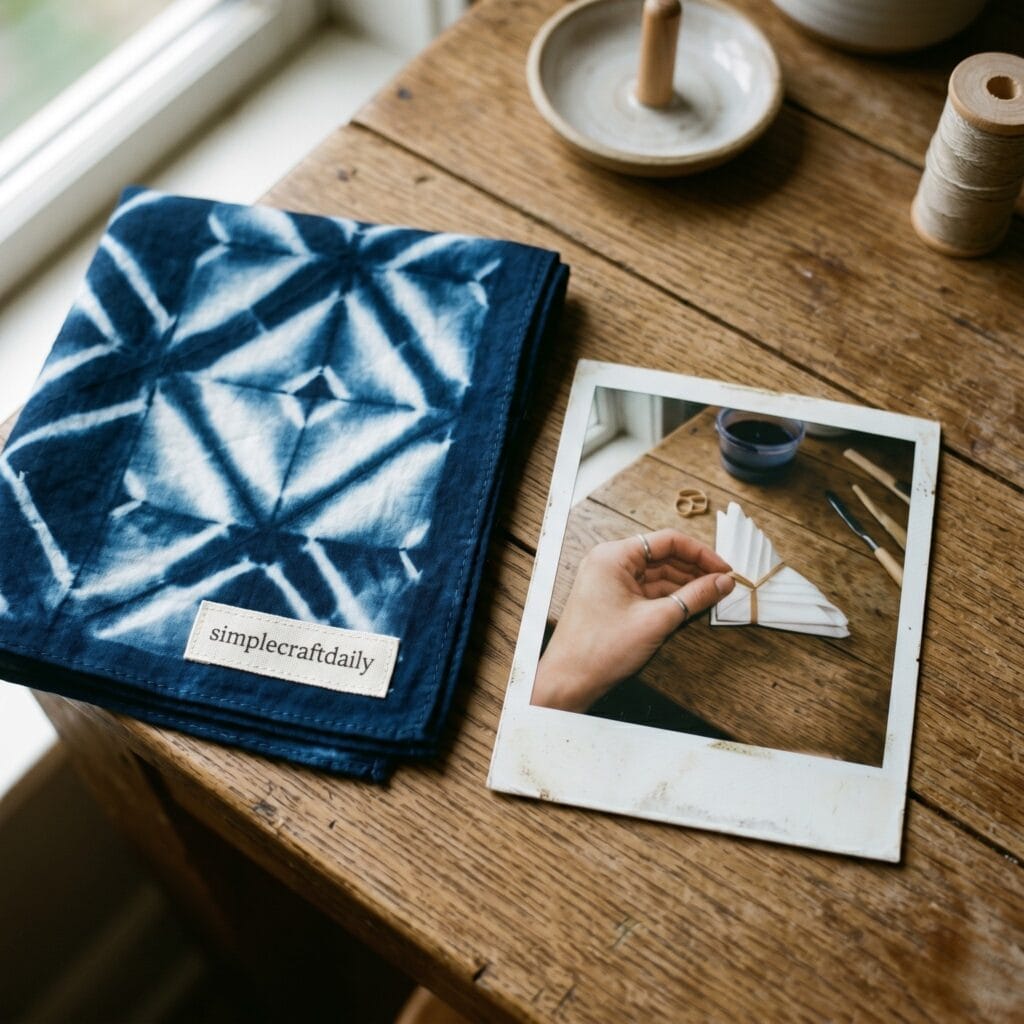
Shibori is a classic folding method. To begin, fold your silk cloth into small triangles. Then, bind it tightly with rubber bands. After that, dip it into dark blue dye.
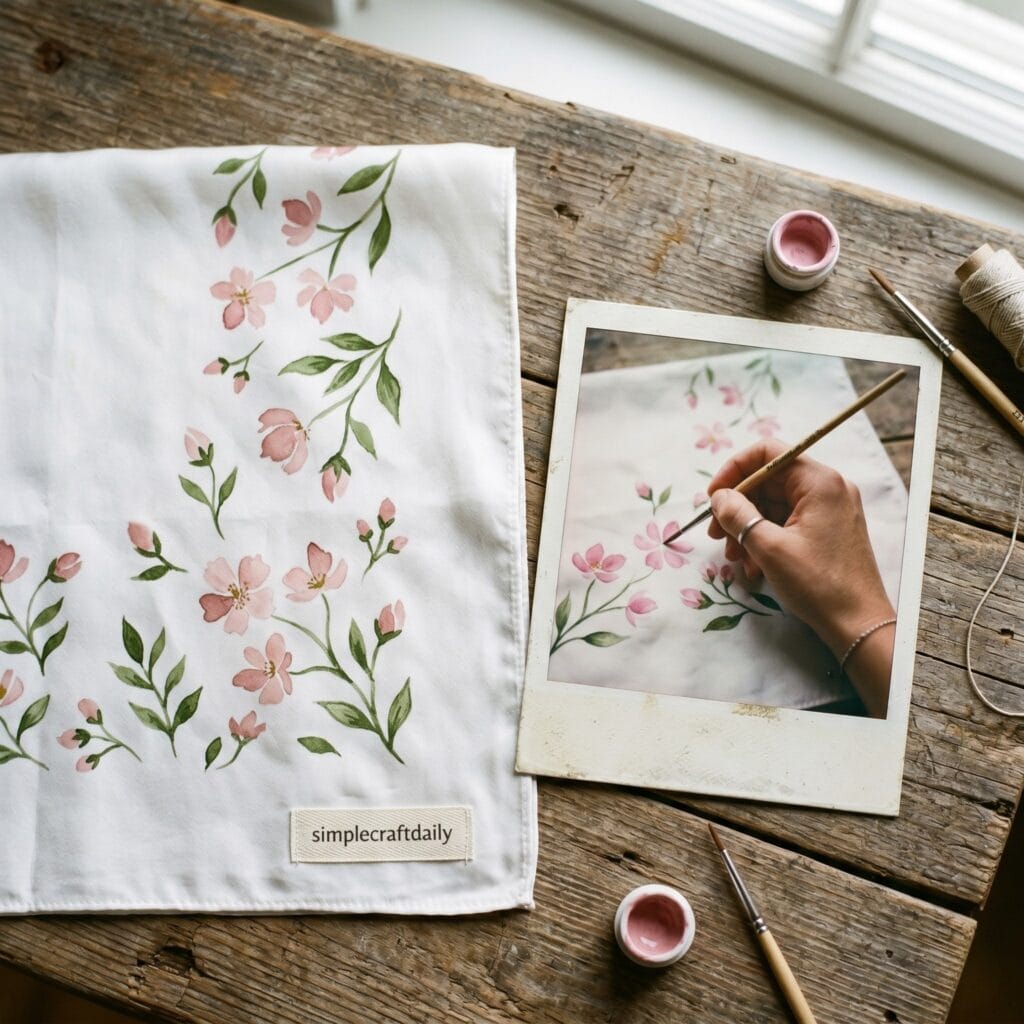
6. Hand-Painted Floral Bandanas
Supplies Needed: Pure White Silk Fabric Square, Fine-Point Silk Paint, Fine Detail Brush.
Drawing flowers is very relaxing. First, trace your design lightly on the dry silk. Next, use a fine brush to fill the petals. Therefore, you get a highly detailed and elegant piece.
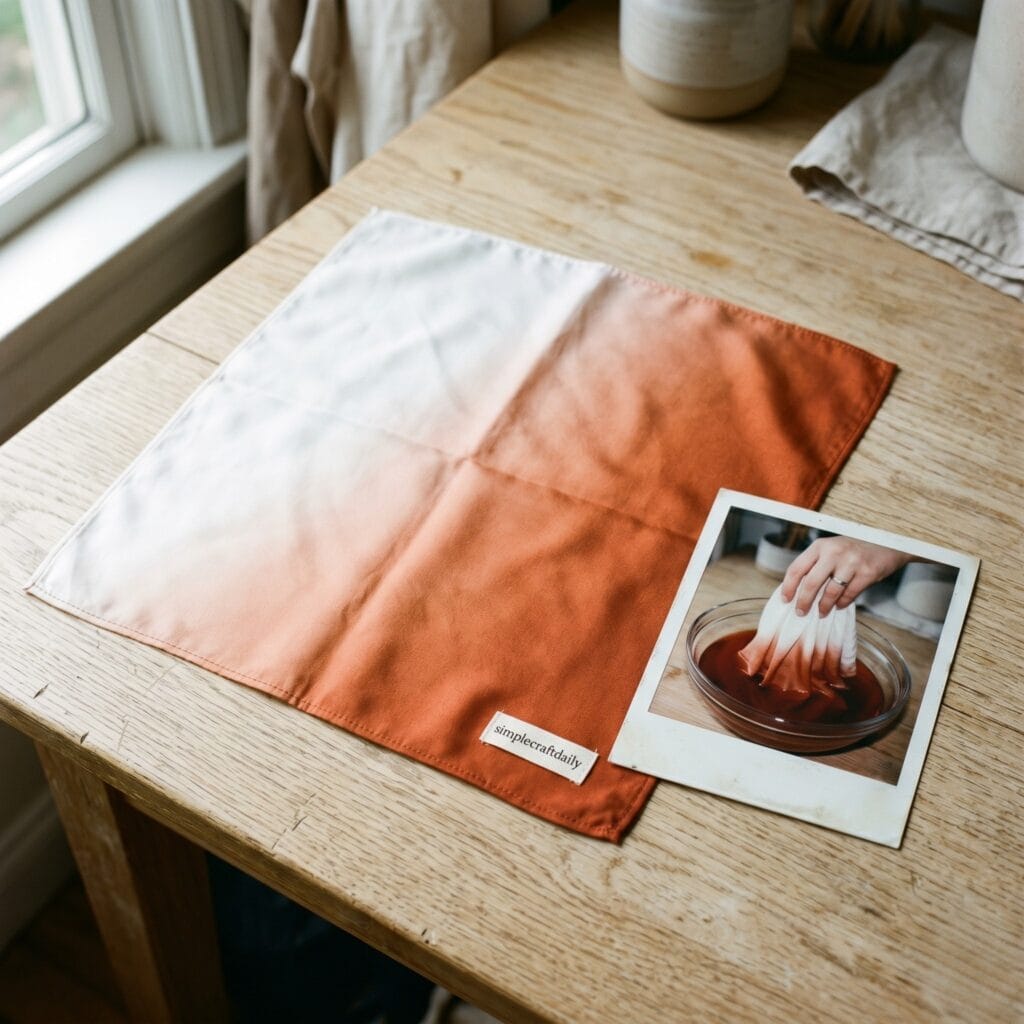
7. Ombre Gradient Silk Bandanas
Supplies Needed: Pure White Silk Fabric Square, Liquid Silk Dyes, Shallow Tray.
Ombre patterns are very stylish. Simply dip the bottom edge of the silk into your dye. Next, slowly pull it out to create a fade. As a result, you get a smooth color change.
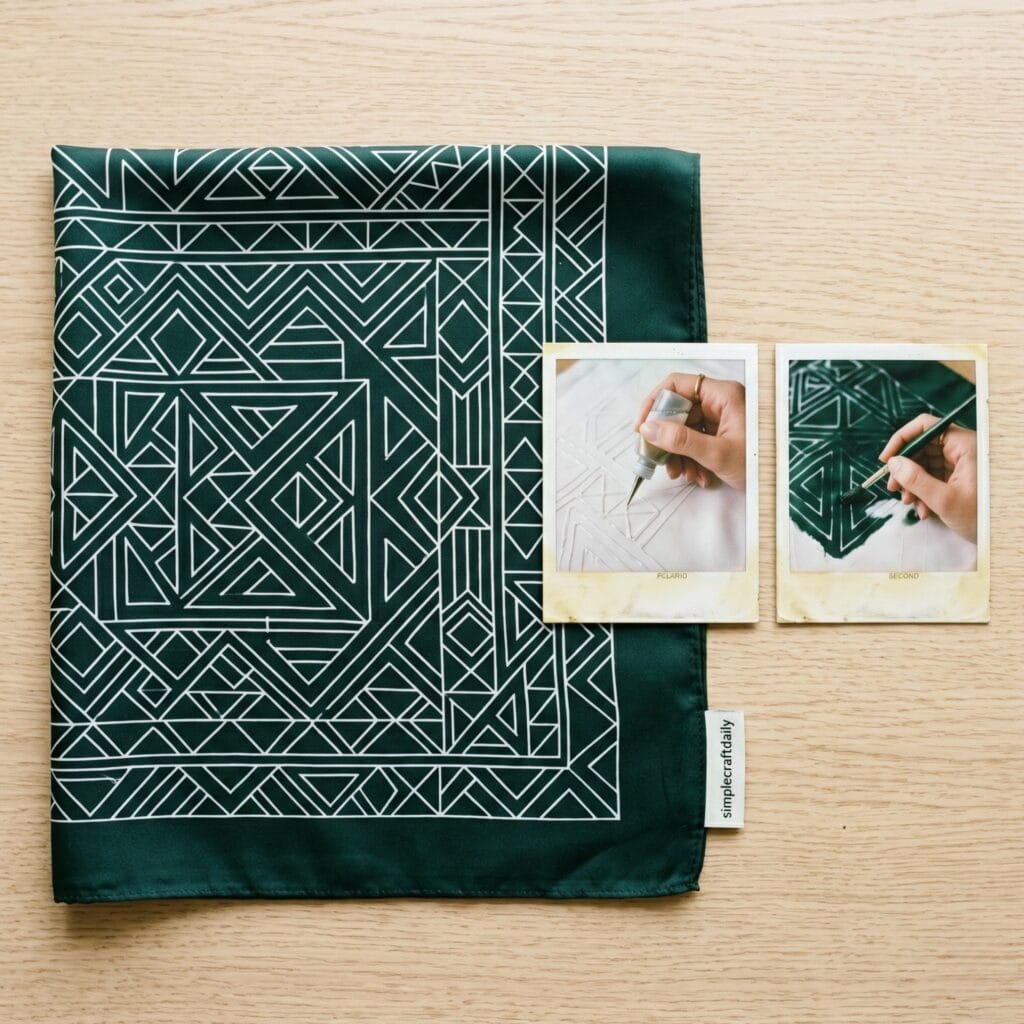
8. Resist Paste Silk Patterns
Supplies Needed: Pure White Silk Fabric Square, Water-Based Silk Resist Paste, Liquid Silk Dyes, Soft Watercolor Brush.
Resist paste stops the dye from spreading. First, draw thick lines with clear, water-based paste. Once it is dry, paint over the whole fabric. Finally, wash the paste out to see clean white lines.
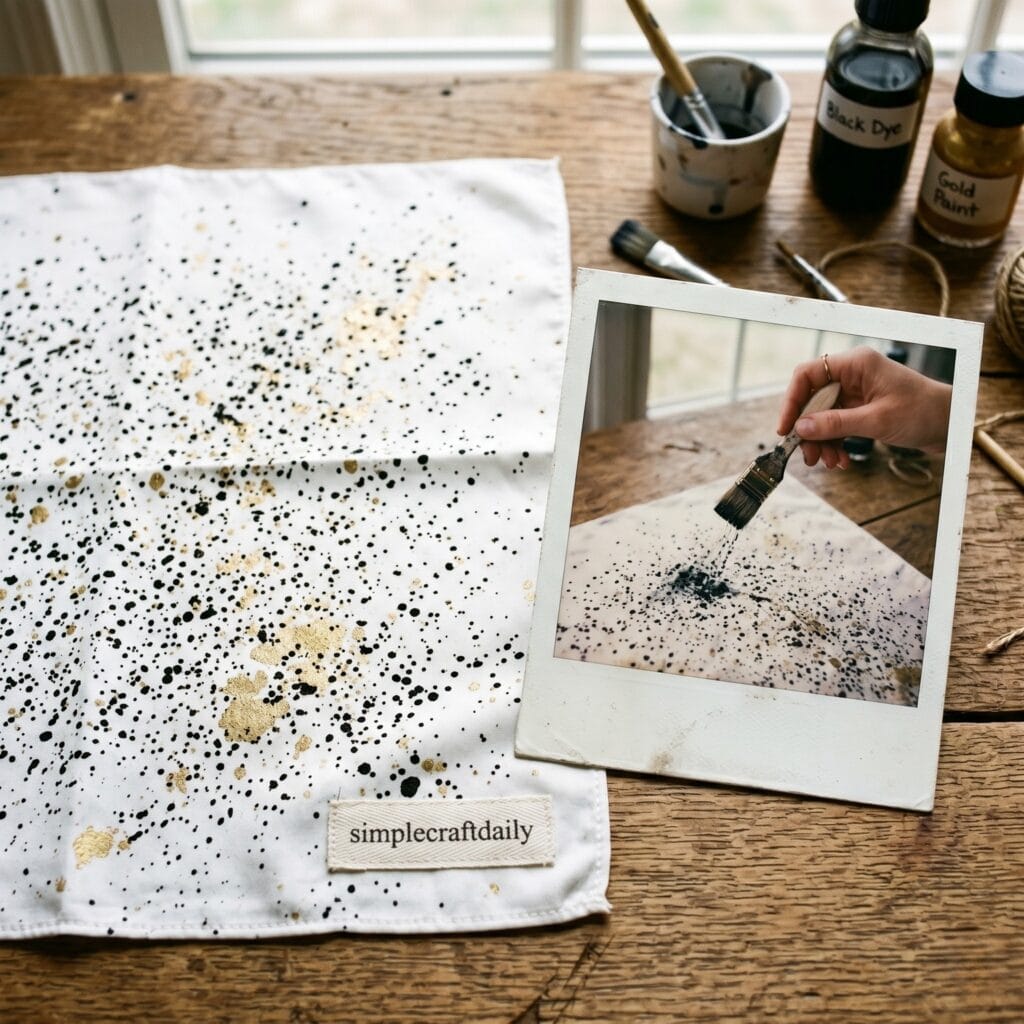
9. Splatter Paint: Silk Scarf Painted Bandanas
Supplies Needed: Pure White Silk Fabric Square, Liquid Silk Dyes, Stiff Bristle Brush.
This method is very fast and fun. First, lay your white silk flat on the table. Then, flick different dye colors from a stiff brush. Consequently, you create a cool modern art aesthetic.
10. Sponge Stamped: Silk Scarf Painted Bandanas
Supplies Needed: Pure White Silk Fabric Square, Liquid Silk Dyes, Clean Kitchen Sponge (Household).
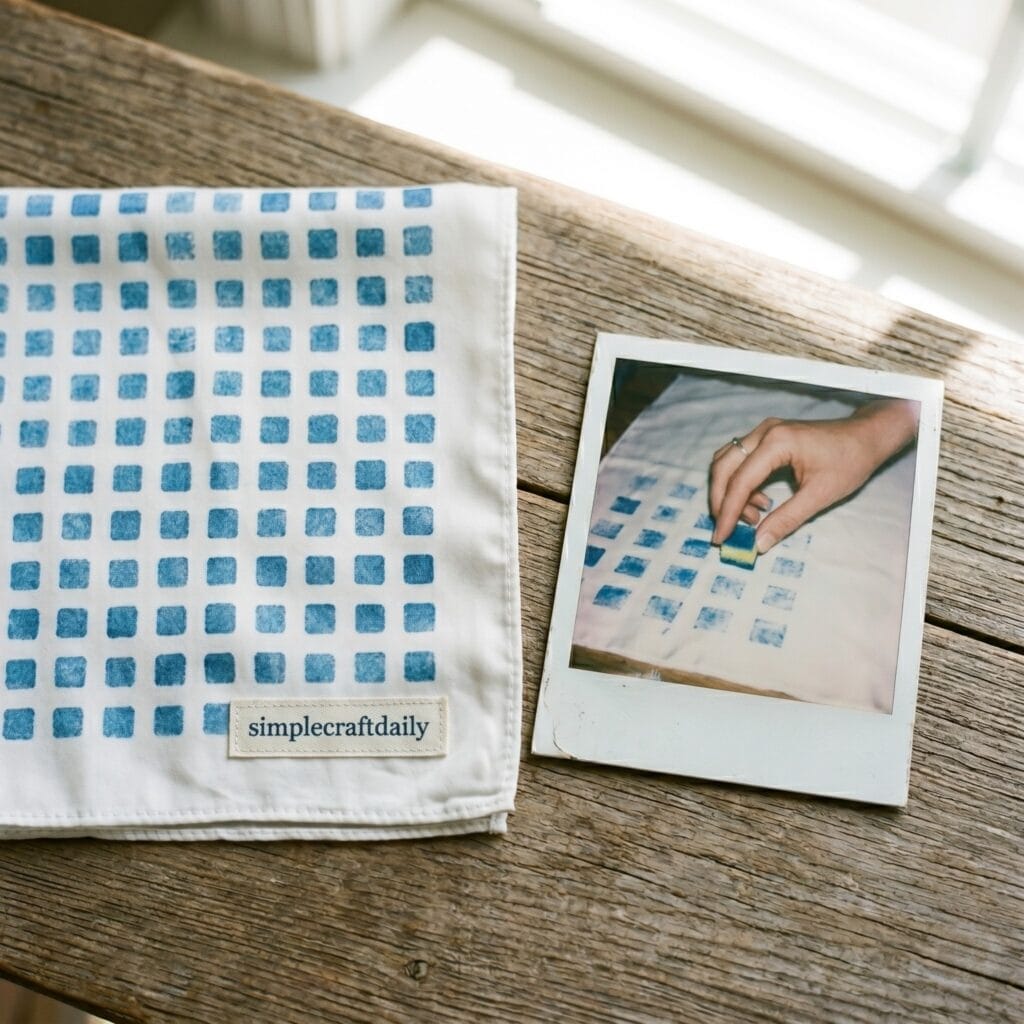
Sponge stamping is very easy and safe. First, cut a clean kitchen sponge into a fun shape. Next, dip the dry sponge into your fabric dye. Indeed, pressing it onto the silk leaves a perfect, beautiful mark.
Summary of Fabric Crafting Projects
Making custom silk accessories is incredibly rewarding. Moreover, these easy projects save money and look fantastic. Therefore, pick your favorite colors today, and start crafting a unique piece for your wardrobe. So, which technique are you most excited to try first — the dreamy watercolor wash, the classic shibori fold, or something in between? Share your finished bandana in the comments below!
Quick Reference: All Supplies at a Glance
Ready to start painting your first bandana? Here’s everything from this guide in one place before you shop.
🎨 Fabric & Dyes
- Pure White Silk Fabric Squares | Check Price on Amazon
- Liquid Silk Dyes, Assorted Colors | Check Price on Amazon
- Fine-Point Silk Paint | Check Price on Amazon
- Water-Based Silk Resist Paste | Check Price on Amazon
🖌️ Application Tools
- Soft Watercolor Brushes | Check Price on Amazon
- Fine Detail Brush | Check Price on Amazon
- Stiff Bristle Brush | Check Price on Amazon
- Glass or Plastic Dropper | Check Price on Amazon
- Mixing Palette | Check Price on Amazon
🧪 Texture & Resist Supplies
- Coarse Salt (Kosher or Sea Salt) | Check Price on Amazon
- Rubber Bands | Check Price on Amazon
- Shallow Plastic or Metal Tray | Check Price on Amazon
🌿 Natural & Specialty Items
- Fresh Leaves or Flowers | Check Price on Amazon
🧼 Prep & Household Essentials
- Mild Soap (Household) | Check Price on Amazon
- Iron (Household) | Check Price on Amazon
- Clean Kitchen Sponge (Household) | Check Price on Amazon
Important Crafting Safety Note:
When painting silk, always work in a space with good air. Since some dyes can have a mild smell, breathing them in a closed room is not ideal. Therefore, open your windows or craft outside. Above all, wear protective craft gloves to keep your hands clean and fully safe.
A note on ironing damp silk: Always keep a firm grip on the iron and never leave it unattended on damp fabric, since steam and heat together can cause burns. Use a low-to-medium heat setting appropriate for silk, and keep the iron’s cord and hot plate out of reach of children and pets while it’s in use or cooling down.
A note on dyes, resist paste, and children or pets: Keep uncapped dye bottles, resist paste, and small items like rubber bands and droppers away from young children and pets. Dyes can stain skin, fur, and fabric on contact, and resist paste is not meant to be ingested.
A note on your workspace: Liquid dye stains permanently and quickly. Cover your table with a plastic sheet or old towel before you begin, and keep dyed fabric away from carpets, upholstery, and clothing until it’s fully dry.
Finally, store all opened dyes, paints, and resist paste tightly sealed and out of reach of children and pets between crafting sessions.